

Transforming Legacy Hot Oil Heaters Through Strategic Manufacturer Collaboration

Updated: Apr 14
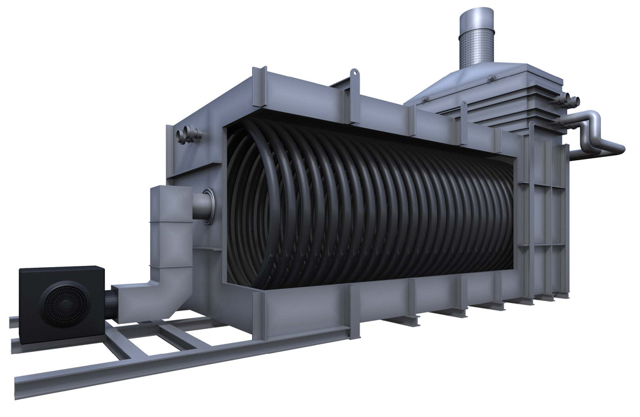
Hot Oil Heaters remain critical in many industrial and midstream facilities, yet many operate with outdated burners and control systems. These legacy setups often fall short of modern safety, reliability, and emissions standards. A recent project by Federal Thermal, in partnership with Tulsa Heaters Midstream (THM), demonstrates how close collaboration between heater manufacturers and controls specialists can successfully modernize these essential assets.
The Challenge of Aging Hot Oil Heaters

Many facilities rely on Hot Oil Heaters installed decades ago. Over time, the burners and control systems become outdated, leading to:
Increased safety risks due to obsolete safety logic and interlocks
Reduced reliability and frequent downtime
Higher emissions that do not meet current regulations
Difficulty integrating modern diagnostics and operator interfaces
Replacing entire heaters is costly and disruptive. Instead, upgrading the burner and control systems while preserving mechanical assets offers a practical path to extend service life and improve performance.
How Collaboration Drives Effective Modernization
Federal Thermal and Tulsa Heaters Midstream combined their expertise to address these challenges. THM contributed deep knowledge of heater design and mechanical systems, while Federal Thermal focused on burner management and control engineering.
This partnership enabled:
Alignment of control philosophy with heater design intent
Reduced integration risks during installation and startup
Faster commissioning and improved operational efficiency
By treating the heater, burner, fuel train, and controls as one integrated system, the teams delivered a safer and more reliable solution tailored to real-world conditions.
Key Upgrades in the Modernization Project
The project included several critical improvements:
Burner and combustion system upgrades to enhance fuel efficiency and reduce emissions
Implementation of an NFPA-compliant Burner Management System (BMS) for improved safety
Installation of dual safety shutoff valves and pressure supervision to prevent fuel leaks or overpressure
Introduction of purge sequencing to clear combustible gases before ignition
Development of protective shutdown logic that responds quickly to unsafe conditions
Enhanced operator diagnostics for easier troubleshooting and maintenance
These upgrades not only meet current safety and emissions standards but also improve the heater’s reliability and ease of operation.

Benefits of Manufacturer-Control Specialist Partnerships ("Turn-Key" Solution)
Working directly with the heater manufacturer offers several advantages:
Better integration: Controls are designed to match the heater’s mechanical characteristics
Lower risk: Fewer surprises during startup and commissioning
Preservation of assets: Existing mechanical components remain in use, reducing costs
Tailored solutions: Controls and safety systems are customized to the facility’s operating conditions
Ongoing support: Manufacturer and controls specialist can jointly support maintenance and future upgrades
This approach applies to both new heater projects and retrofits of older units, making it a versatile strategy for many facilities.
Extending Service Life and Reducing Operational Risk
Modernizing Hot Oil Heaters through collaboration extends the equipment’s service life by:
Bringing safety systems up to current standards
Improving system reliability and reducing unplanned shutdowns
Enhancing operator confidence with better diagnostics and controls
Lowering emissions to comply with environmental regulations
Facilities benefit from reduced operational risk and improved uptime without the expense and disruption of full heater replacement.
Moving Forward with Modernization
Sites operating legacy Hot Oil Heaters should consider a collaborative modernization approach. Partnering with both heater manufacturers and controls specialists ensures upgrades are well integrated and effective with their current systems.
Start by assessing your current heater’s condition and identifying key areas for improvement. Engage experts who understand both mechanical and control aspects to develop a comprehensive upgrade plan.
Modernization projects like the one completed by Federal Thermal and Tulsa Heaters Midstream show that with the right partnership, aging Hot Oil Heaters can be transformed into safer, more reliable, and environmentally compliant assets that continue to serve critical industrial needs.


Nice Fuel Fixer