

Modernizing Legacy Dual Fuel Boiler for University Campus

Updated: Apr 14
A local University's Central Boiler Plant has long relied on a legacy dual-fuel boiler system installed 70 years ago. This ancient boiler had 4 burners and operated with burner management and combustion controls typical of its time. Over the years, the control system aged, components became obsolete, and operational risks increased. This resulted in a multi-million dollar expense when natural gas prices spiked during a severe winter storm and their backup fuel oil system was not operational. To maintain reliable service and improve safety, the university engaged Federal Thermal to modernize the boiler’s burner management system, burners, fuel train as well as reconstruct its oil storage and delivery system.

The Challenge of Aging Dual-Fuel Boiler Systems
Legacy boilers like the one at this university present several challenges for plant engineers and facility managers. The original burner management and combustion controls were designed with technology that is now outdated. This creates several issues:
Limited visibility into system performance: Older controls lack real-time diagnostics, making it difficult to detect faults or inefficiencies early.
Aging components prone to failure: Replacement parts become scarce, increasing downtime risk and inability to source components.
Increased safety concerns: Older safety systems may not meet current standards, raising the risk of hazardous events.
Operational inflexibility: Legacy systems often cannot adapt easily to changing fuel types or regulatory requirements.
For a campus environment, these challenges are amplified by the need for continuous service. Steam and heat must be available 24/7 to support academic buildings, research labs, and residence halls. Any downtime can disrupt campus operations and impact safety.
Modernization Approach: Automation, Controls, Upgraded Fuel Train and Safety
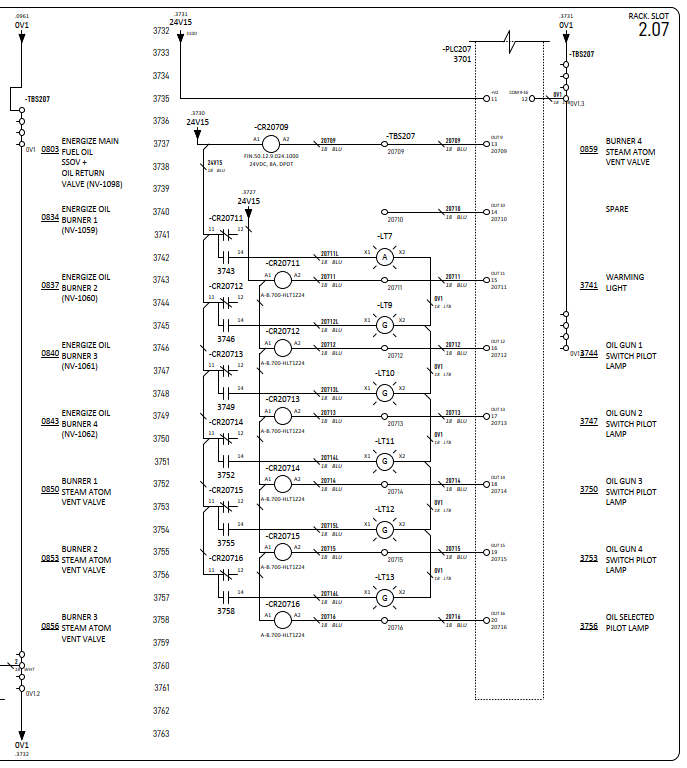
Federal Thermal approached the modernization project with clear goals: improve safety, enhance diagnostics, upgrade controls, and ensure long-term supportability. The project focused on replacing the outdated burner management system with a modern, automated control platform designed for dual-fuel operation in Honeywell HC900 PLC.
Key elements of the modernization included:
Advanced burner management system (BMS): The new Honeywell HC900 BMS provides precise control over fuel switching, ignition, and flame monitoring. It meets current safety standards and includes fail-safe features with visibility to their campus DCS system.
Improved diagnostics and monitoring: Real-time data collection and visualization allow operators to identify issues before they escalate. This reduces unplanned outages and supports predictive maintenance.
User-friendly control interface: The upgraded system features an intuitive human-machine interface (HMI) that simplifies operation and troubleshooting.
Redundancy and reliability: The design incorporates redundant sensors and control pathways to maintain continuous operation even if a component fails.
Compliance with safety codes: The new controls meet or exceed federal and industry safety regulations, reducing risk for personnel and property.

Throughout the upgrade, the team worked closely with university engineers and directed other contractors to minimize downtime and maintain steam supply. The phased, turn-key implementation allowed for testing and validation without interrupting campus heating needs.
Outcomes and Long-Term Value

The modernization of the Campus dual-fuel boiler delivered several tangible benefits:
Enhanced safety: Modern burner management and safety interlocks reduce the risk of combustion-related incidents.
Greater operational visibility: Operators now have access to detailed system data, enabling faster response to anomalies.
Improved reliability: New components and redundant systems reduce unplanned outages and extend equipment life. This solved their concerns if natural gas supply were to be paused during severe winter storms with a reliable diesel fuel option.
Simplified maintenance: Diagnostics and standardized controls make troubleshooting more efficient.
Future-proofing: The upgraded system supports evolving fuel sources and regulatory requirements, protecting the university’s investment.
For institutional campuses, these improvements translate into stable, safe energy delivery that supports critical academic and residential functions. The project demonstrates how proactive upgrades can prevent costly failures and improve overall plant performance.
Why Proactive Upgrades Matter for Campuses
Campus central utility plants operate under unique pressures. They must provide uninterrupted service, meet strict safety standards, and adapt to changing energy landscapes. Legacy boiler systems, while once reliable, become liabilities as components age, technical resources retire and technology advances.
Upgrading boiler automation and burner management systems is not just about replacing old equipment. It is about building a safer, more efficient, and more resilient energy infrastructure. Institutions that invest in modernization reduce operational risks, lower maintenance costs, and ensure compliance with safety regulations.
For plant engineers and facility managers, these upgrades offer tools to better manage complex systems and protect campus communities. The Campus project serves as a practical example of how thoughtful modernization delivers lasting value.
If your campus or institutional facility operates legacy boiler systems, consider how modernization can improve safety and reliability. Contact Federal Thermal to discuss tailored boiler automation upgrades that meet your unique operational needs.


Comments